Shrimp: Defining Modern Identity Through Techno Display Typography
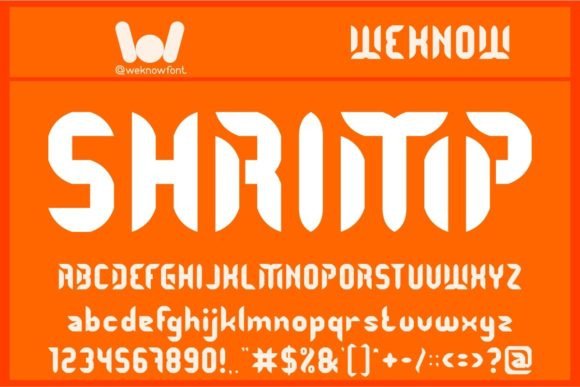
In the saturated visual landscape of the digital age, typography has evolved from a mere vehicle for information into a primary driver of brand personality. Among the myriad options available to designers today, Shrimp stands out as a distinctive choice for those seeking to merge futuristic aesthetics with functional clarity. Described as a fancy, various techno display font, Shrimp is not just a typeface; it is a design tool engineered for impact. Its versatility makes it suitable for a wide array of applications, including logos, logotypes, headlines, corporate identity systems, and brand identity frameworks. Whether applied to the apparel industry, posters, music covers, movie titles, game interfaces, magazines, books, comics, cartoons, YouTube thumbnails, Instagram graphics, or website headers, Shrimp offers a unique visual voice that resonates with contemporary audiences.
The Evolution of Techno Aesthetics in Branding
The rise of techno-inspired design is not a fleeting trend but a reflection of our increasingly digitized reality. As technology permeates every aspect of daily life, consumers have developed a visual literacy that appreciates clean lines, geometric precision, and a sense of forward momentum. Shrimp taps into this cultural shift by offering a typographic style that feels both modern and timeless. Unlike traditional serif fonts that evoke history and tradition, or standard sans-serifs that prioritize neutrality, Shrimp brings character and energy to the table.
This evolution is evident in how brands across sectors are rethinking their visual identities. Startups in the tech sector, creative agencies, and even lifestyle brands are moving away from safe, generic typography in favor of fonts that communicate innovation and boldness. Shrimp fits seamlessly into this narrative. Its structure allows it to function effectively as a headline font, grabbing attention immediately, while its varied styles provide the flexibility needed for broader creative projects. This adaptability is crucial in a market where consistency across platforms—from physical apparel to digital social media feeds—is paramount for building recognition.
Versatility Across Creative Industries
One of the most compelling aspects of Shrimp is its broad applicability. Designers often struggle to find a single typeface that can perform well across diverse mediums without losing its integrity. Shrimp addresses this challenge by maintaining its core aesthetic while adapting to different contexts. Here is how it enhances various creative domains:
- Corporate and Brand Identity: For businesses aiming to project a modern, innovative image, Shrimp serves as an excellent foundation for logotypes and corporate identity systems. Its distinct letterforms create a memorable visual anchor that differentiates a brand from competitors using more conventional fonts.
- Entertainment and Media: In the worlds of music, movies, and gaming, atmosphere is everything. Shrimp’s techno vibe aligns perfectly with sci-fi themes, electronic music genres, and high-energy game interfaces. It adds a layer of immersion, helping to establish the tone before the user even engages with the content.
- Publishing and Print: Magazines, books, comics, and cartoons benefit from Shrimp’s ability to create striking headlines. While it may not be suitable for long-body text due to its display nature, it excels in capturing reader interest on covers and chapter openers, adding a dynamic edge to editorial design.
- Digital and Social Media: On platforms like YouTube and Instagram, where users scroll rapidly through content, visual stoppower is essential. Shrimp’s bold, fancy characteristics make it ideal for thumbnails and promotional graphics, ensuring that key messages stand out in a crowded feed.
- Apparel and Merchandise: The fashion industry, particularly streetwear and tech-wear, heavily relies on typography as a design element. Shrimp’s aesthetic translates well to t-shirts, hoodies, and accessories, appealing to consumers who value modern, urban styles.
Practical Implications for Designers and Entrepreneurs
For professionals and entrepreneurs, selecting the right font is a strategic decision that impacts user perception and engagement. Using Shrimp in your design workflow can streamline the creative process by providing a strong starting point for visual concepts. However, effective use requires an understanding of its strengths and limitations.
First, consider hierarchy. As a display font, Shrimp is best utilized for short bursts of text such as titles, logos, and call-to-action buttons. Pairing it with a neutral, highly legible sans-serif for body copy creates a balanced composition that is both visually interesting and easy to read. This combination leverages Shrimp’s personality without compromising usability, a critical factor in website design and editorial layouts.
Second, think about context. While Shrimp is described as "fancy," its techno roots mean it works best in environments that support a modern or futuristic narrative. Using it for a traditional law firm or a rustic bakery might create a dissonance that confuses the audience. Instead, align it with brands that value innovation, creativity, and forward-thinking values. This alignment ensures that the typography reinforces the brand message rather than distracting from it.
Third, explore customization. Many modern fonts, including those in the techno display category, offer various weights and styles. Experimenting with these variations can help you tailor Shrimp to specific project needs. For instance, a heavier weight might work well for a powerful movie poster, while a lighter, more intricate style could suit a sophisticated magazine header. This flexibility allows designers to maintain brand consistency while adapting to different campaign requirements.
Navigating Current Design Trends
Current design trends emphasize authenticity, boldness, and digital-native aesthetics. Consumers are increasingly drawn to brands that feel genuine and distinct. Shrimp supports this trend by offering a look that is unmistakably contemporary. It avoids the overused minimalism that has dominated design for the past decade, offering instead a style that has presence and attitude.
Moreover, the integration of motion design in digital media has elevated the importance of typography that looks good in movement. Shrimp’s clean lines and geometric forms translate well into animations, making it a strong candidate for video intros, social media stories, and interactive web elements. As video content continues to dominate platforms like YouTube and Instagram, having a font that performs well in both static and dynamic formats is a significant advantage.
Another relevant trend is the blending of high-tech and human-centric design. While techno fonts can sometimes feel cold or impersonal, Shrimp’s "fancy" elements introduce a touch of elegance and warmth. This balance makes it accessible to a broader audience, bridging the gap between cutting-edge technology and approachable branding. It suggests that innovation does not have to be sterile; it can be stylish and inviting.
Recommendations for Effective Implementation
To get the most out of Shrimp in your creative projects, consider the following best practices:
- Prioritize Legibility: Ensure that the font size and spacing are adequate for the intended medium. What looks great on a large poster may need adjustment for a mobile screen.
- Maintain Contrast: Use Shrimp against backgrounds that provide sufficient contrast. Light text on dark backgrounds or vice versa can enhance its techno aesthetic and improve readability.
- Limit Usage: Reserve Shrimp for key elements where you want to make a strong impression. Overusing display fonts can lead to visual fatigue and diminish their impact.
- Test Across Devices: If using Shrimp for web or app design, test its appearance on various devices and browsers to ensure consistent rendering.
- Align with Brand Voice: Ensure that the tone of Shrimp matches your brand’s voice. If your brand is playful and energetic, Shrimp can amplify that. If it is serious and conservative, consider whether a different font might be more appropriate.
In conclusion, Shrimp represents a valuable asset in the modern designer’s toolkit. Its ability to convey a sense of futurism, elegance, and boldness makes it suitable for a wide range of applications, from corporate identity to entertainment media. By understanding its strengths and applying it strategically, creators and businesses can enhance their visual communication and connect more effectively with their audiences. As design continues to evolve, fonts like Shrimp will play a crucial role in shaping the visual language of the future, offering a blend of style and substance that meets the demands of today’s dynamic creative landscape.