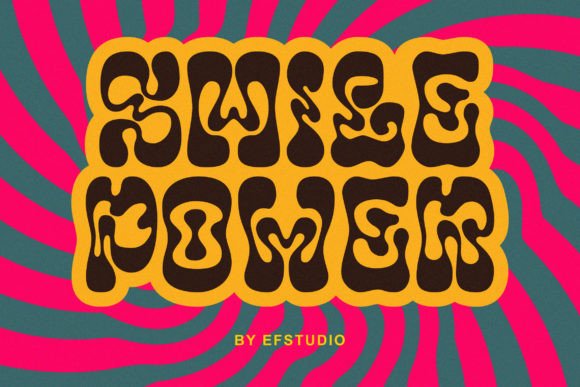
Smile Power: A Practical Review of a Hypnotic Display Font
In the crowded landscape of digital typography, finding a display font that balances artistic flair with functional readability is a persistent challenge for designers. Smile Power emerges as a distinct option in this category, offering a mesmerizing aesthetic defined by hypnotic curves and captivating design elements. For professionals ranging from brand strategists to freelance graphic designers, understanding the specific utility of such a typeface is crucial before integrating it into a workflow. This analysis explores the characteristics, practical applications, and technical advantages of Smile Power, providing an objective look at its value in modern creative projects.
Defining the Aesthetic Appeal
At its core, Smile Power is a display font designed to command attention. Unlike serif or sans-serif typefaces intended for long-form body text, this font prioritizes visual impact. The letterforms are constructed with unique, attractive curves that create a sense of movement and fluidity. This "hypnotic" quality is not merely a marketing descriptor but a tangible design feature that influences how the eye tracks across a headline or logo.
The primary strength of Smile Power lies in its ability to break the monotony of standard geometric or humanist fonts. In branding materials, where differentiation is key, the distinctive shapes of these characters can serve as a immediate visual hook. The font does not rely on excessive ornamentation or clutter; instead, it uses the weight and flow of the strokes themselves to create interest. This makes it particularly effective for projects that require a bold yet sophisticated presence, avoiding the pitfalls of overly decorative fonts that can appear dated or difficult to read.
Technical Advantages and PUA Encoding
One of the most significant practical features of Smile Power is its PUA (Private Use Area) encoding. For designers who have struggled with cumbersome glyph access in other decorative fonts, this technical specification offers a streamlined experience. PUA encoding allows users to access all delightful glyphs, swashes, and alternate characters effortlessly through standard character map tools or design software interfaces.
This usability factor cannot be overstated. In a professional environment, time efficiency is paramount. When a font requires complex keyboard shortcuts or external utilities to access its full range of stylistic variations, it introduces friction into the design process. Smile Power eliminates this barrier. Designers can quickly experiment with different swashes and ligatures, allowing for rapid iteration during the creative phase. This flexibility ensures that the font remains a versatile tool rather than a rigid constraint, enabling creators to customize the look of their text to fit specific compositional needs without technical hurdles.
Practical Applications in Branding and Marketing
The versatility of Smile Power makes it suitable for a variety of high-impact applications. Its primary domain is short-form text, where its detailed letterforms can be fully appreciated. Below are key areas where this font demonstrates considerable value:
- Logo Design: The unique letterforms provide a strong foundation for custom logotypes. The hypnotic curves can be manipulated to create memorable brand marks that stand out in competitive markets.
- Headlines and Titles: For magazines, websites, and advertising campaigns, Smile Power serves as an excellent choice for main headlines. Its ability to capture attention ensures that the primary message is noticed immediately.
- Packaging and Labeling: Product packaging often requires typography that conveys personality and premium quality. The captivating design of this font can elevate the perceived value of consumer goods, from cosmetics to artisanal foods.
- Social Media Graphics: In the fast-paced world of digital marketing, visuals must stop the scroll. Using Smile Power for quote graphics or promotional banners can increase engagement by adding a layer of visual sophistication.
However, it is essential to recognize the limitations of display fonts. Smile Power is not designed for body copy. Its intricate curves and unique structures would reduce readability if used in paragraphs or small sizes. Professional designers should reserve this typeface for large-scale applications where its details can shine, pairing it with a clean, neutral sans-serif or serif font for supporting text.
Evaluating Usability and Workflow Integration
When assessing any typographic asset, consistency and reliability are critical. Smile Power maintains a consistent stroke weight and curvature style across its character set, which contributes to a cohesive visual identity. This consistency is vital for branding, where disparate elements must feel part of a unified whole. The font’s design ensures that even when mixed with numbers or punctuation, the overall aesthetic remains harmonious.
From a workflow perspective, the ease of accessing glyphs via PUA encoding enhances the font’s long-term value. Designers can return to projects months or years later and easily adjust the typographic details without needing to relearn complex access methods. This reliability makes Smile Power a sustainable addition to a designer’s toolkit, rather than a novelty item used once and discarded.
Furthermore, the font’s adaptability allows it to perform well across various media. Whether rendered in print for high-resolution brochures or displayed on digital screens for web headers, the clarity of the vectors ensures crisp edges and professional presentation. This cross-media reliability is essential for modern brands that maintain a presence both online and offline.
Who Benefits Most from Smile Power?
While any creative professional might appreciate a well-designed display font, certain groups will find Smile Power particularly aligned with their needs:
- Brand Identity Designers: Those tasked with creating distinct visual identities for startups or rebrands will find the unique letterforms invaluable for crafting memorable logos and typographic systems.
- Marketing Agencies: Teams producing campaign materials need fonts that grab attention quickly. Smile Power’s hypnotic qualities make it ideal for ad creatives and promotional headers.
- Freelance Graphic Designers: Independent creators often need versatile assets that can elevate client projects without requiring extensive custom illustration. This font offers a high-end look with minimal effort.
- Content Creators and Bloggers: Individuals designing their own media kits, ebook covers, or course materials can use Smile Power to add a professional, polished touch to their visual assets.
It is less suitable for corporate environments requiring strict, traditional typography, or for projects focused heavily on informational density where readability takes precedence over style. Understanding this audience fit helps ensure that the font is applied in contexts where it can deliver maximum impact.
Final Considerations for Design Professionals
Incorporating Smile Power into a design project requires a strategic approach. Its strengths lie in its ability to captivate and differentiate, making it a powerful tool for headlines, logos, and branding materials. The inclusion of PUA encoding significantly enhances its usability, allowing for effortless access to a wide range of glyphs and swashes. This technical feature, combined with its aesthetically pleasing curves, positions it as a valuable resource for designers seeking to add a touch of elegance and intrigue to their work.
As with any design element, context is key. When used appropriately—paired with complementary typefaces and applied to short, impactful text—Smile Power can transform a standard layout into a visually compelling experience. For professionals looking to expand their typographic repertoire with a font that offers both beauty and functionality, this display typeface warrants serious consideration. Its balance of artistic expression and practical usability ensures that it remains a relevant and effective choice in contemporary design workflows.